Grogu the Mediator, and How We Pass on What We Have Learned
While not the dominant style of modern mediation, grabbing two combatants and physically keeping them from each others throats can be a helpful move at the right moment.
It’s The Mandalorian and Grogu Day, and wrapping up my rerun ahead of the movie reminded me of one of my favorite points in Grogu’s growth.
It’s a Mandalorian Moment. A heated physical sparring match breaks out between Paz Vizsla and Axe Woves in Season 3, Episode 7 ("Chapter 23: The Spies") of The Mandalorian. The two fight over… well, they fight over everything, and in fact, they fight over everything with everyone. What does it matter what they were fighting over? Ok, it was over—wait for it—a rule in a game of Mandalorian chess these two warriors had sat down to. Bo-Katan and Din Djarin’s efforts to unify the Mandalorian clans is going just as hard as they expected, and even though they’ve made it down to the surface of Mandalore, Vizsla and Woves remain just as likely to shoot at other Mandalorians as they are at Dark Troopers of the Imperial Remnant.
So here they are, on the deck of a land-ship of sorts, headed to fight for Mandalorian independence; clearly a good moment to have at each other with vibroblades (neat touch!). Bo Katan and Mando stand on the sidelines, recognizing that their intervention would be counterproductive (something mediators in our world need to keep an eye on as well).
Grogu sees things differently and is not bound by their leadership considerations. Perched inside IG-11s body, he uses the droid’s combat abilities to yank the two apart, and holds them separated while he admonishes them, verbal now he has access to IG-11s vocoder. No. No. No. Only when their body language shifts does he release them to go their separate ways.
Sure, it’s nice to see a Jedi actually being a guardian of peace in the galaxy for once, albeit in a blunt and directive manner. Keep it up kid.
But the real lesson here is in the next exchange:
Bo-Katan to Din Djarin: You taught your apprentice well.
Din:

Oh really, Din?
I don’t know if Din is being humble here, or image managing with Lady Kryze (“I’m raising my son to be a warrior not a peacemaker, don’t worry”).
Either way, he’s wrong. Not in the sense that he once sat Grogu down and told him to separate disputants. But he forgot a key fact of parenting: The Child—any child—is always watching.
Cast back to Season 2, Episode 1: Mando is on Tatooine. In an effort to obtain Marshal Cobb Vanth’s Mandalorian armor, he commits to helping Vanth rid the area of a pesky Krayt Dragon. The similarities between this episode and the Season 3 episode are telling. Much like the Empire, the behemoth is so formidable an enemy that only an unlikely alliance can bring it down.
And so, a grudging partnership is formed between the townsfolk of Vanth’s Mos Pelgo and the local branch of the Tusken Raiders. After making camp one evening on the long trek through the dunes to attack the Krayt Dragon, Vanth and the Tusken Chieftain begin arguing about nothing/everything at the campfire. They’re about to go for each other’s throats when Mando intervenes.
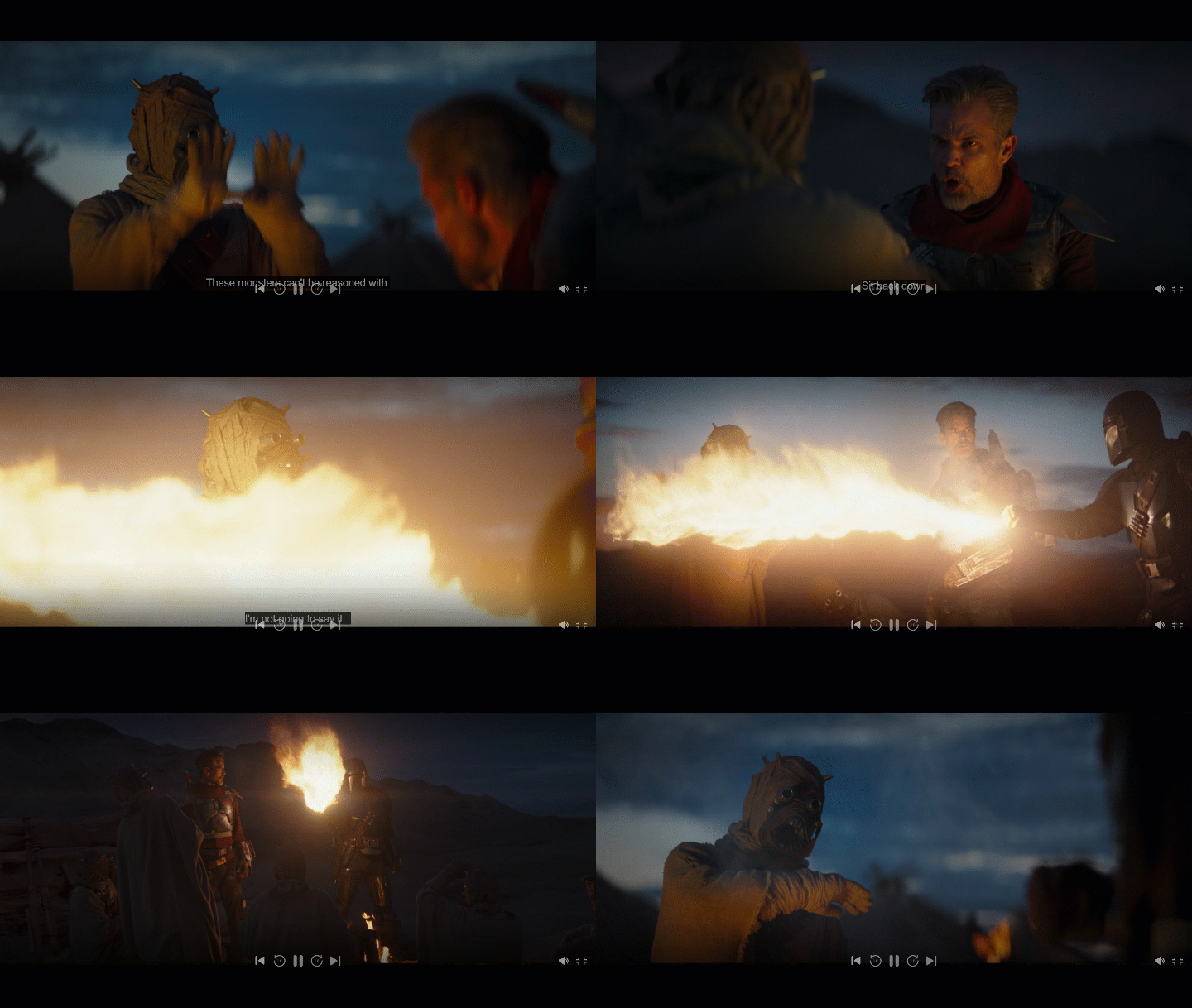
It wasn’t the flare of Mando’s vambrace flamethrower creating a wall of fire that caught my eye in this scene, but the camera’s cut to Grogu (still called “kid” or “The Child” at that point), staring wide-eyed at Mando as he uses his weapon to separate adversaries to let them take a breath, consider, and back down from the fight.
To be sure, the mediation field has developed gentler tools than assassin droids and flamethrowers to help people work through their differences. But the point remains: when we deal with conflict, others are watching. Our conflict activities—engaging in conflict, or helping others to work through their own—have impact beyond their momentary effect by serving as a model to others. Especially, of course, our children (or Children, if our younglings happen to have a high M-count). The galaxy is watching, and if we model healthy and constructive conflict engagement, others just might try it out for themselves.